Blogs, Updates, Tips & Advice

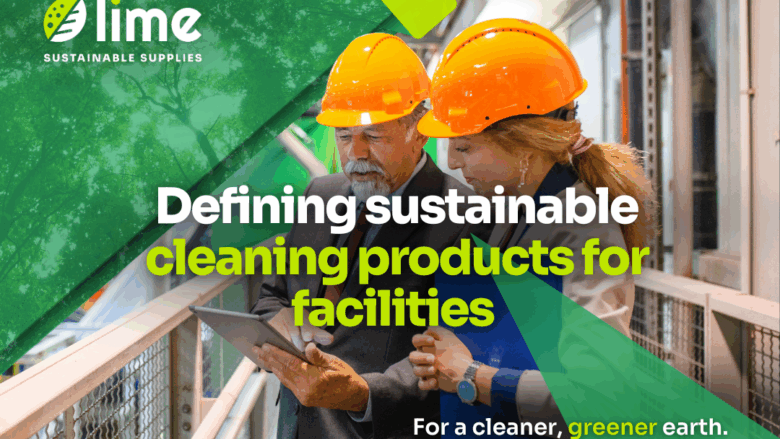
Sustainable procurement in cleaning is no longer a nice-to-have. It is a compliance, ESG disclosure, and reputational requirement across UK estates. Yet product labels often obscure rather than clarify. This guide sets out a practical, auditable definition of sustainable cleaning products for facilities, along with a decision framework, due diligence steps, and KPIs you can embed into tenders. It also addresses three common questions: what a sustainable cleaning product is, how to verify eco claims, and whether eco options perform in professional environments.

A procurement-led definition of sustainable cleaning products

For facilities and FM teams, a sustainable cleaning product is one that delivers required hygiene outcomes while evidencing reduced whole-life environmental impact through third-party standards and verifiable data. In practice, that means:
  • Lifecycle analysis from cradle to grave, covering raw materials, manufacturing, transport, use phase, and end-of-life, with a quantified product carbon footprint.
  • Documented Scope 4 carbon savings, comparing the product to a conventional equivalent in like-for-like use. For public reporting alignment, reference UK Government greenhouse gas reporting: https://www.gov.uk/guidance/measuring-and-reporting-environmental-impacts-guidance-for-businesses.
  • Recognised ecolabel certification, with clear scope and validity dates.
  • Supply chain transparency, including material provenance, manufacturing locations, and logistics modes. See UK Modern Slavery Act guidance for supply chain due diligence: https://www.gov.uk/guidance/publish-an-annual-modern-slavery -statement.
  • Packaging and format that minimise single-use inputs and are compatible with refill or bulk dispensing systems.
  • A defined end-of-life plan, including recyclability, compostability, or take-back, supported by evidence rather than claims.
UK waste classification and recycling guidance: https://www.gov.uk/how-to-classify - different-types-of-waste. This definition applies across cleaning, washroom, and janitorial categories in commercial and institutional settings.

How to know if a product is genuinely eco-friendly

You should expect auditable proof that goes beyond marketing language. Ask suppliers to provide: Lifecycle Evidence
  • Emissions by stage, not just a headline total, so hotspots are visible.
  • A product-level LCA summary, methodology reference, system boundaries, and the functional unit used
Scope 4 calculations
  • A written basis for savings versus a market-standard product, including assumed dilution rates, dosages, service life, transport distances, and packaging weights.
Certification Supply chain data Packaging and dispensing
  • Refill or bulk options, compatibility with existing dispensers, and expected reduction in single-use plastic per site per year.
  • Material specs and recyclability statements for primary, secondary, and transit packaging.
End-of-life
  • Disposal guidance aligned to UK waste streams, plus any take-back or compostable packaging certifications.
If a supplier cannot provide this documentation in writing, treat claims as unverified.

Lifecycle analysis in practice

Lifecycle analysis is the engine room of credible sustainability claims. For cleaning and washroom products, look for:
  • Cradle-to-grave boundaries, including chemical feedstocks, energy mix for manufacturing, transport modes, in-use dilution, water consumption, and packaging fate.  Sensitivity analysis for realistic usage variance; for example, different dosing rates or dispenser efficiencies.
  • Clear functional units, such as per 1 000 m2 cleaned or per 1 000 uses of a washroom cleaner. This avoids misleading per-bottle comparisons.
Lime provides product-level LCA footprints with stage breakdowns and compares each product to a standard market equivalent to quantify Scope 4 savings. This supports procurement sign-off and ESG disclosures.

Scope 4 carbon savings, explained

Scope 4 refers to avoided emissions from choosing a lower-impact alternative. In cleaning and washroom categories, key drivers include:
  • Concentrates and dissolvable formats that cut transport emissions and plastic.
  • Refillable dispensing that extends container life and reduces waste management.  Longer service life for durable components, such as trigger heads and dispensers.
  • Logistics optimisation, for example consolidated deliveries and right-sized packaging.
Your tender should request annualised Scope 4 calculations at site or estate level, with clear assumptions and the conventional baseline defined. For public sector alignment, see the NHS Net Zero Supplier Roadmap for healthcare estates as an example: https://www.england.nhs.uk/greenernhs/get-involved/suppliers/.

Refill, bulk dispensing, and Bottle for Life

Refill and bulk systems are central to plastic and carbon reduction. When assessing options, consider:
  • Compatibility with current dispensers and training needs for cleaning operatives.  Accurate dosing that reduces chemical overuse.
  • Expected reduction in single-use plastic, normalised per 1 000 cleans or per building per year.
  • Durability of bottles and components. Lime’s Bottle for Life spray bottle is made from 95% recycled UK milk bottles and is designed for repeated refills.  Compostable or recyclable packaging for concentrates and sachets.
Lime’s dissolvable sachets and refill formats integrate directly into janitorial routines, with documented plastic and carbon reductions and auditable supply data. If you want to explore ranges, you can review sustainable cleaning products on our site.

End-of-life recovery

Plan end-of-life at the point of purchase. Request:
  • Material identification and local recycling routes.
  • Compostability certificates for any compostable packaging and the correct waste stream guidance.  Take-back or recovery options, where offered.
  • Evidence that product residues are biodegradable and non-persistent in wastewater.
This closes the loop in your facility’s material flows and supports waste hierarchy compliance. See UK waste duty of care code of practice: https://www.gov.uk/government/publications/waste-duty -of-care-code-of- practice.

Are eco-friendly cleaning products effective?

Yes, provided they are specified and used correctly. Ecolabel products are tested for performance. Concentrates and sachets can deliver equal or better outcomes due to precise dosing and consistent chemistry. In tenders, require independent performance data and, where relevant, EN test standards for disinfectants or sanitisers. Run short pilots to confirm efficacy in your building types before estate-wide rollout, then lock in specifications to prevent drift.

A practical decision framework for procurement

Use this five-step method: Lime supplies products with full LCA data, Scope 4 reporting, refill systems, and compostable packaging. Our monthly visual ESG reports help you track carbon savings across estates in a format suitable for board and public disclosures.

Tender checklist

Include the following requirements in specifications:
  • Certification: EU Ecolabel certificates matching SKUs, validity dates, and scope.
  • LCA: Cradle-to-grave assessment, system boundaries, functional unit, and per-stage emissions.  Scope 4: Methodology and annualised avoided emissions against a defined baseline.
  • Refill/bulk: Evidence of dispenser compatibility; dosing accuracy; projected plastic reduction.   Packaging: Material breakdown, recycled content, recyclability, or compostability certificates.
  • Supply chain: Tier 1 site locations, environmental management certifications, transport modes.  Performance: Independent test data; applicable EN standards.
  • End-of-life: Disposal guidance aligned to UK streams; take-back where available.  Reporting: Monthly ESG reporting with product and category level metrics.
For additional UK guidance to reference in tenders: Crown Commercial Service procurement policy notes: https://www.gov.uk/government/collections/procurement-policy -notes

KPIs to monitor post-award

Track KPIs quarterly to ensure benefits are realised:
  • Plastic reduction per 1 000 cleans; percentage of units refilled versus newly issued.
  • Carbon intensity per functional unit, plus total Scope 4 savings year to date.
  • Percentage of products by spend with valid ecolabel certification.
  • Packaging recycled content percentage; compostable packaging utilisation.
  • Dispenser dosing accuracy and variance; corrective actions when out of tolerance.
  • Non-conformance rate on supply chain data submissions.
  • Operative training completion and audit scores.

Where Lime fits

Lime Sustinable Supplies provides an auditable route to sustainable procurement: eco-friendly formulations, refill systems, Bottle for Life, compostable packaging, and transparent LCA and Scope 4 reporting. This supports FM and procurement teams with evidence suitable for ESG statements, external audits, and stakeholder reporting, while maintaining operational performance across cleaning, washroom, and janitorial categories. If you are reviewing frameworks, you can explore washroom cleaning products and broader eco cleaning supplies to see how these specifications can be implemented at scale. A sustainable cleaning product for facilities is one that delivers the required hygiene outcomes with verified lifecycle and Scope 4 carbon reductions, recognised ecolabels, transparent supply chains, refill compatibility, and a defined end-of-life pathway. By embedding these criteria into your tender documents, applying the decision framework, and tracking KPIs, you can demonstrate compliance, reduce cost and waste, and report tangible progress toward net zero. Lime’s range and reporting services provide the evidence base you need to buy with confidence and to prove impact across your estate. If you’re ready to make sustainable cleaning procurement measurable, compliant, and auditable, explore Lime Sustainable Supplies’ range of verified eco-cleaning products and reporting solutions. 🌱 Discover our sustainable product ranges.

Embrace Sustainability for your Business Success

Our clients are leading the way towards a greener future and enjoying the benefits

Free Eco-friendly Delivery

On every delivery over £50*

Plant a Tree

With every sustainable order

Reduce the carbon footprint

By offsetting on sustainable orders

Compare Products