

With SMEs making up over 90% of businesses in the UK cleaning sector, there’s never been a more important time for small businesses to lead the way in sustainable innovation.
At Lime Sustainable Supplies, we know the challenges facing small and medium-sized cleaning businesses. With large corporations winning over half of all cleaning contracts, it can feel like the odds are stacked against SMEs. Limited budgets and growing pressures often push sustainability to the bottom of the list, but we believe it should be at the top.
A Competitive Edge, Not Just a ‘Nice to Have’
Sustainability isn’t just an ethical consideration, it’s a strategic advantage. Adopting environmentally responsible practices can set SMEs apart, helping them build stronger reputations and attract clients who care about the planet.
Whether it’s through reducing waste, cutting energy use, or switching to greener products, sustainable choices can improve efficiency and bring long-term savings. By embedding sustainability into their core, SMEs can demonstrate leadership, future-proof their operations, and build resilience in an evolving marketplace.
The shift toward net zero is accelerating. Those who embrace it now will be better equipped to win work, retain talent, and stay relevant. Find out more about the UK’s Net Zero Strategy from the Department for Energy Security and Net Zero.
Cleaning Industry: Ready for Change
At industry events like CSSA Question Time, the topic of environmental responsibility is front and centre. Yet much of the momentum and visibility still comes from larger companies. It’s time for smaller businesses to step forward, ask the right questions, and take ownership of their environmental impact.
Why Going Green Makes Business Sense
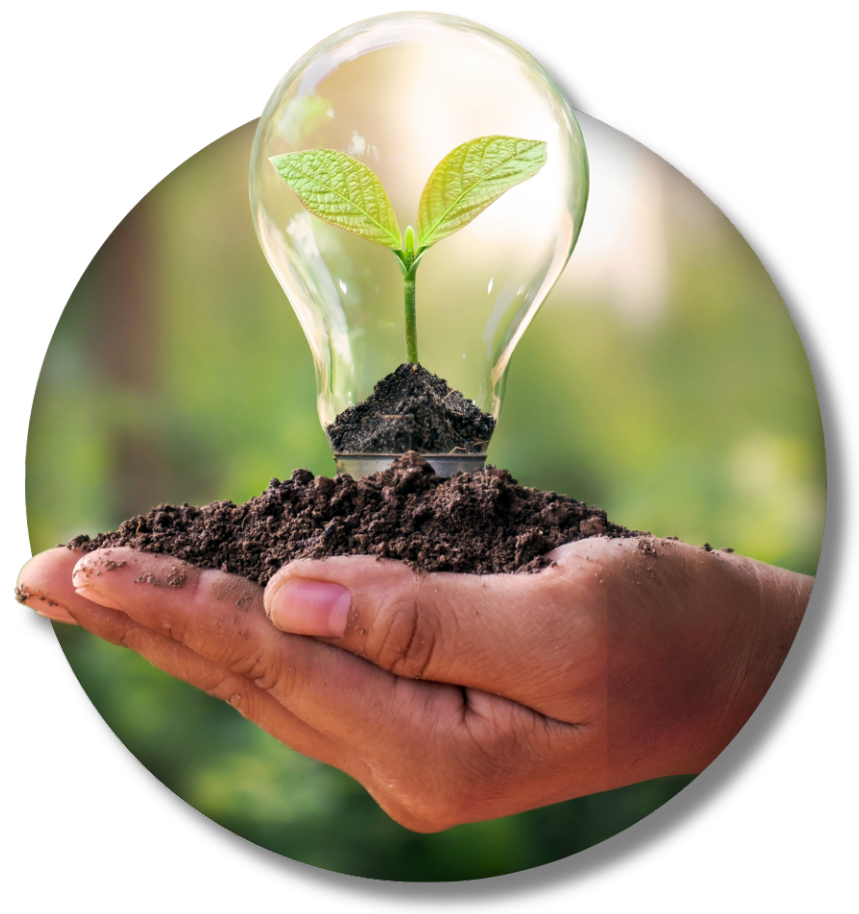 Eco-friendly practices are no longer fringe, they’re good business. Green cleaning products, such as those certified with Global GreenTag Platinum, create healthier environments for staff and customers alike. Improved air quality can reduce illness and boost wellbeing on-site, key for productivity and morale.
Cost-effective solutions like super concentrates can cut daily cleaning costs dramatically, with refillable bottles costing as little as 7p per use. High-efficiency paper systems may cost more up front, but deliver better results and long-term savings.
Clients are actively prioritising sustainability, many weighting it at 40% or more in procurement decisions. If you’re not offering it, chances are your competitors will be.
Shifting Trends Across the Sector
We’re seeing a clear movement towards non-toxic, biodegradable cleaning solutions, aligning with health and safety standards and growing consumer expectations. Waste reduction and circular economy thinking are now part of daily conversations.
SMEs that adopt reuse systems, embrace recycling, and minimise landfill waste aren’t just ticking boxes, they’re building better businesses.
Sustainable Growth for the Long Haul
 Sustainability directly contributes to long-term success. Cleaner operations are more efficient, streamlined, and adaptable traits that boost profitability and resilience.
Being known as a values-led, environmentally responsible company helps SMEs win contracts, attract loyal customers, and recruit passionate employees. It also offers a point of difference in a sector where personal service is a major selling point. Data-led sustainability adds further weight to these strengths.
Practical Steps for Reducing Environmental Impact
Change doesn’t need to be overwhelming. Here are some achievable ways SMEs can reduce their environmental footprint:
-
Start with an environmental audit – identify hotspots and begin with quick wins.
-
Create a sustainability action plan – set targets, assign champions, and track progress.
-
Upgrade to energy-efficient equipment and vehicles – lower your emissions and your bills.
-
Work with responsible suppliers – ask for lifecycle data, carbon impact stats, and sustainability reports.
-
Train your team – from carbon literacy to correct product usage, engagement is key.
-
Introduce strong recycling systems – think beyond bins to product packaging and closed-loop solutions.
And don’t forget: stay alert to greenwashing. Genuine progress only happens when sustainability runs deep in your operations and supply chain.
Low-Cost Ways to Clean Sustainably
Being eco-friendly doesn’t mean spending more. In fact, many of the most impactful changes are cost savers.
-
Use concentrated cleaning products – they last longer, reduce packaging, and improve storage.
-
Switch to reusable tools – microfibre cloths, for instance, can be washed and reused many times over.
-
Install smart dosing systems – they prevent product waste and ensure consistent results.
-
Maintain your equipment – well-serviced machines last longer and clean more effectively.
The Bigger Picture: Why It All Matters
Sustainability isn’t just about compliance or cost, it’s about connection.
Clients are looking for suppliers who reflect their values. By aligning with their goals, you deepen relationships and open the door to collaborative, purpose-driven partnerships. Reporting on sustainability progress at a client-site level further builds trust and transparency.
A strong green reputation also brings brand benefits, positive PR, referrals, and recognition. Awards, partnerships, and word-of-mouth marketing follow companies that show leadership in this space.
Internally, staff feel proud to work for companies doing the right thing. This boosts motivation and helps attract the next generation of talent.
And finally, sustainability builds resilience. Whether it’s responding to regulation, rising costs, or industry disruption, businesses that invest in the environment today are better prepared for tomorrow.
At Lime Sustainable Supplies, we believe small businesses can lead big change.
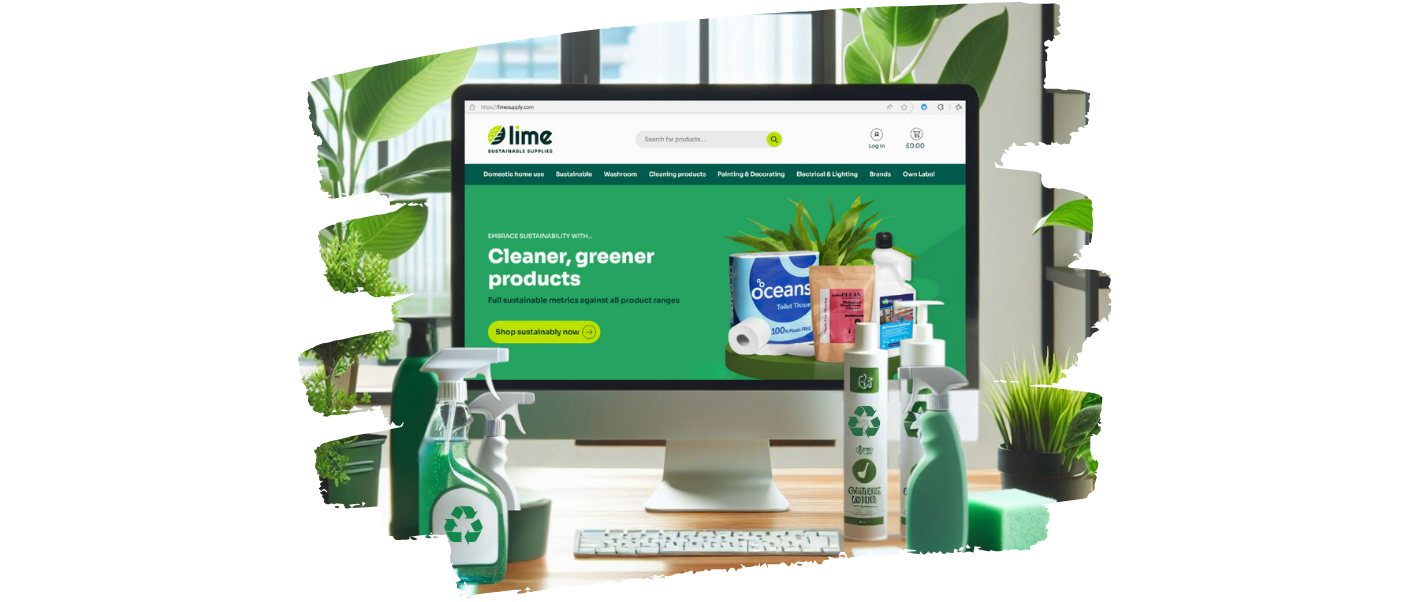 From product innovation to strategic partnerships, we support cleaning SMEs on their journey to net zero without compromising on quality, performance, or budget.
Explore our eco-friendly product range and see how we can help your business reduce its impact while delivering exceptional results. Let’s create a cleaner, greener future, together.