

At Lime Sustainable Supplies, we’re committed to running a data‑driven, sustainable supply chain and supporting reforestation projects around the world. It got us thinking: what exactly is carbon literacy, and what could it mean for our business, and for yours?
Literacy and Learning, Why It Matters
Literacy of any kind is foundational. From your earliest school days you learn how to read, write, absorb information and act on it: reading labels, menus, emails, texts, books. These skills become second nature.
In the sustainability world, the same principle applies. To be truly “carbon‑literate” you need to start with the basics: understanding the terminology, cutting through the green‑washing, and building a solid foundation of knowledge.
Only then can you move beyond being aware to being active, looking at how your business impacts the environment and making meaningful changes.
Discovering Carbon Literacy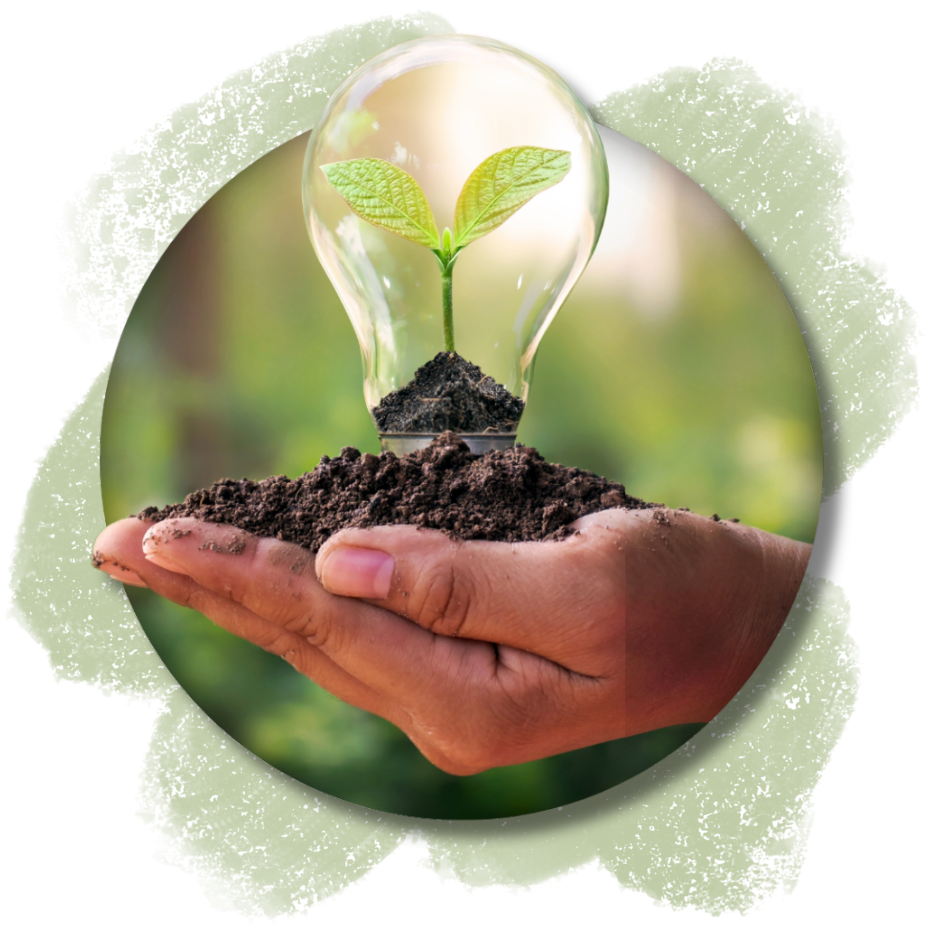
I first came across the Carbon Literacy Project a few years ago, and I was intrigued by their approach to educating individuals and organisations about climate change.
I enrolled myself, and my team, in their free training offer via our membership of a business network. Together we completed two online sessions, with homework ahead of time and a commitment to change afterwards.
What the Training Covered
The learning materials described carbon literacy as:
“The knowledge and capacity required to create a positive shift in how mankind lives, works and behaves in response to climate change.”
We explored:
-
Up‑to‑date climate science
-
Business risk from the climate crisis
-
Climate justice and fairness
-
Individual vs collective action
-
How climate change impacts our organisation
-
Case studies of climate action plans
-
How to build a robust action plan for our business
As prep we watched the David Attenborough documentary “Climate Change: The Facts”, and I revisited my own footprint calculations, both personal and business‑related.
In a cohort of around 12 people from diverse roles, we used interactive sessions, breakout groups and open discussions. It wasn’t just a lecture, it was participative and actionable.
The Hard Truths
The news isn’t good. Some of the facts we discussed include:
-
Greenhouse gases continue to rise.
-
Ice sheets are melting five times faster in Greenland and three times faster in Antarctica than 25 years ago, releasing methane that is far more potent than CO₂.
-
We’re losing around 1.2 trillion tonnes of ice annually, roughly the weight of the human race.
-
Sea levels have risen by up to 100 cm in the last 100 years, meaning we’re actively losing land.
-
Warming oceans are killing coral and kelp ecosystems, reducing their ability to act as carbon sinks.
-
Forests (including the Amazon Rainforest) are increasingly carbon‑positive i.e., creating more carbon than they absorb.
From a business and human perspective:
-
Air pollution contributes to around 10 million deaths globally each year.
-
In 2019 over 300 billion work‑hours were lost to excess heat; this number is much higher now.
-
By 2070, millions of people may be living in areas too hot to inhabit, impacting businesses, migration and supply chains.
None of this is hypothetical, the climate‑related risks affect both our planet and our bottom line.
What We Took Away, And What You Can Do Too
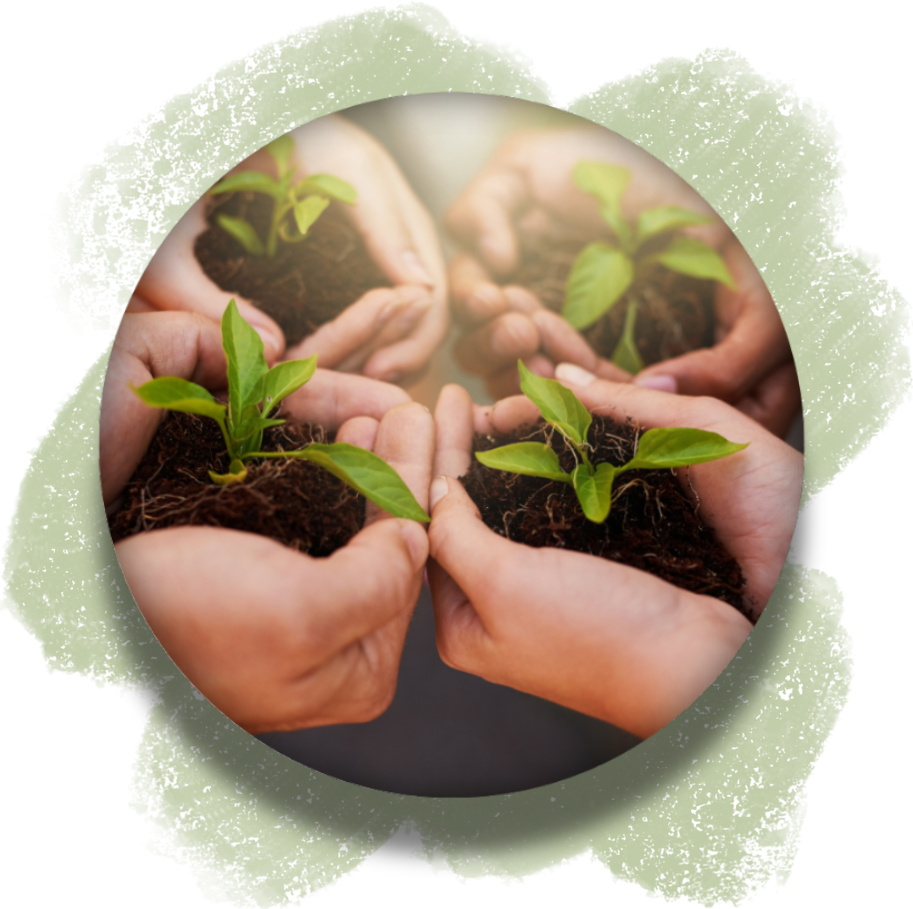
The training required us to commit to two pledges: one individual, one collective, with realistic actions and targets. These were submitted for certification.
Here are some of the key actions we as a team committed to (and that you could consider):
-
Review business travel: can we share, use public transport, cycle or switch to electric vehicles?
-
Re‑evaluate what we eat: meat has a higher impact than vegetables; ultra‑processed foods are also a major factor.
-
Look at our finances: what bank do we use? What does our pension invest in? Does it support fossil‑fuel companies, or ethical, low‑carbon businesses?
-
Integrate renewable energy wherever possible, critical for the big picture.
-
Challenge our supply chain: stop dealing with suppliers simply out of habit; ask them for data, for proof of change. Work with suppliers who can demonstrate measurable carbon reduction.
Why It’s a Smart Move for Business
Becoming carbon literate is not just ethical, it makes good business sense.
It helps build staff awareness, engagement and capability, provides recognition for environmental awareness, and helps embed sustainability into your culture, supply chain and operations, rather than it being an after‑thought.
At Lime Sustainable Supplies, we see it as an investment: in our team, our business resilience, and in the planet we all share.
What’s Next for Us, And You!
We are now exploring how we can develop a tailored, approved training course for the cleaning industry. The sector is rife with green‑washing, and it needs education, transparency, and real action.
If you’ve read this far, I’ll say it clearly: Would I recommend becoming carbon literate? Absolutely. The clarity, confidence, and direction it provides is invaluable.
If you’d like to know more about carbon literacy training, whether for you personally, or for your business, please reach out. At Lime Sustainable Supplies we’d love to help and support wherever we can.