

“Eco-friendly” and “environmentally friendly” are phrases we see everywhere these days. From product packaging to corporate mission statements, the words are often used interchangeably. But do they really mean the same thing? And more importantly, what do they mean for the way we choose the products and suppliers we rely on every day?
At Lime Sustainable Supplies, we believe it’s important to look beyond the buzzwords. Let’s break it down.
Eco-friendly vs. Environmentally friendly
Eco-friendly generally means something less harmful to the environment. It suggests that a product or practice has been designed with ecological impact in mind, whether that’s using recycled materials, producing fewer emissions, or creating less waste.
Environmentally friendly, however, takes things a step further. It implies a wider responsibility: not only minimising harm but actively contributing to the protection, restoration, or improvement of our environment.
Think of it like this:
-
Eco-friendly = Something that has a reduced impact compared to a conventional alternative, for example a cleaning product that uses less chemicals, doing less damage.
-
Environmentally friendly = The product or practice not only reduces harm but also supports wider environmental goals, such as protecting biodiversity, restoring natural habitats, or lowering carbon emissions throughout the supply chain. It’s about actively doing good.
Why this matters for businesses
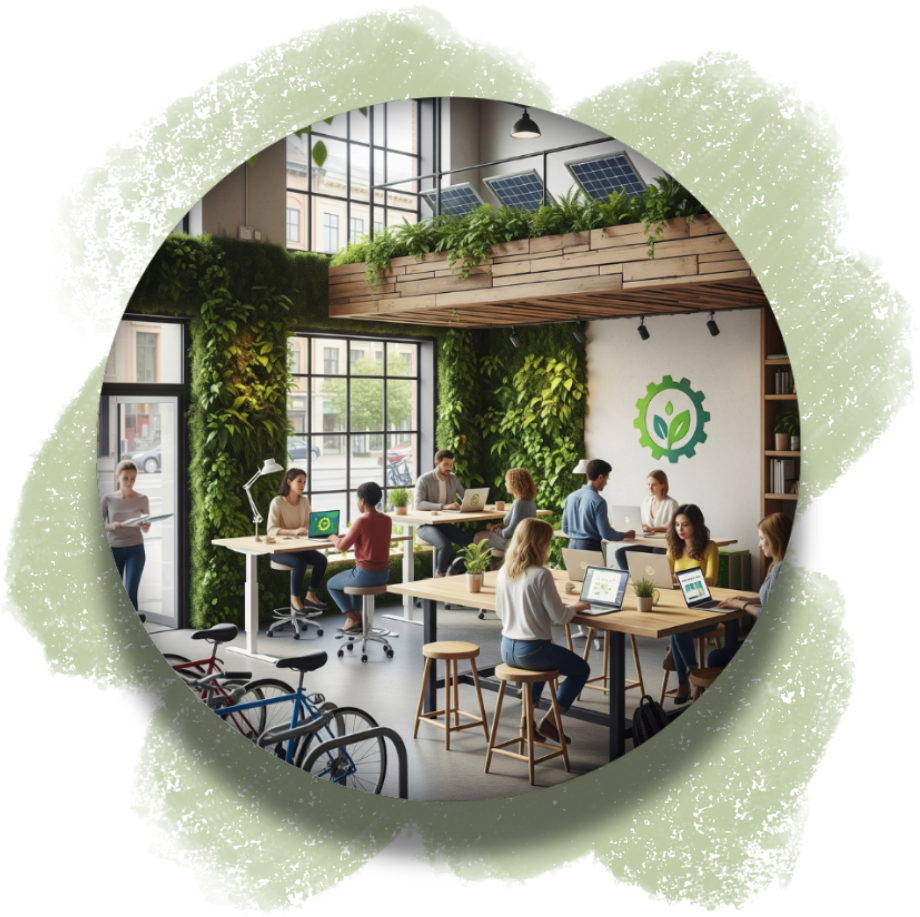 When businesses and individuals are making choices, it’s easy to be swayed by labels and marketing. But if a product is labelled “eco-friendly” without any verification, it may only be slightly less harmful than the standard alternative, still contributing to deforestation, emissions, or plastic pollution.
On the other hand, environmentally friendly solutions look at the bigger picture: the materials used, how it’s made, the supply chain, and what happens at the end of its life cycle.
Sustainability is no longer a “nice to have”, it’s an expectation. Customers, employees, and stakeholders increasingly want to work with businesses that make genuine efforts to reduce their footprint. But with so many products labelled as “eco-friendly,” it’s important to ask:
-
What impact does this product have across its entire lifecycle, from sourcing to disposal?
-
Are the sustainability claims backed up with evidence or certification?
-
Does choosing this product align with our organisation’s wider environmental goals?
By looking beyond the buzzwords, businesses can make purchasing decisions that are both responsible and impactful.
In the UK, WRAP (Waste & Resources Action Programme) provides excellent resources to help organisations understand product impact and move towards a circular economy.
How you can make a difference
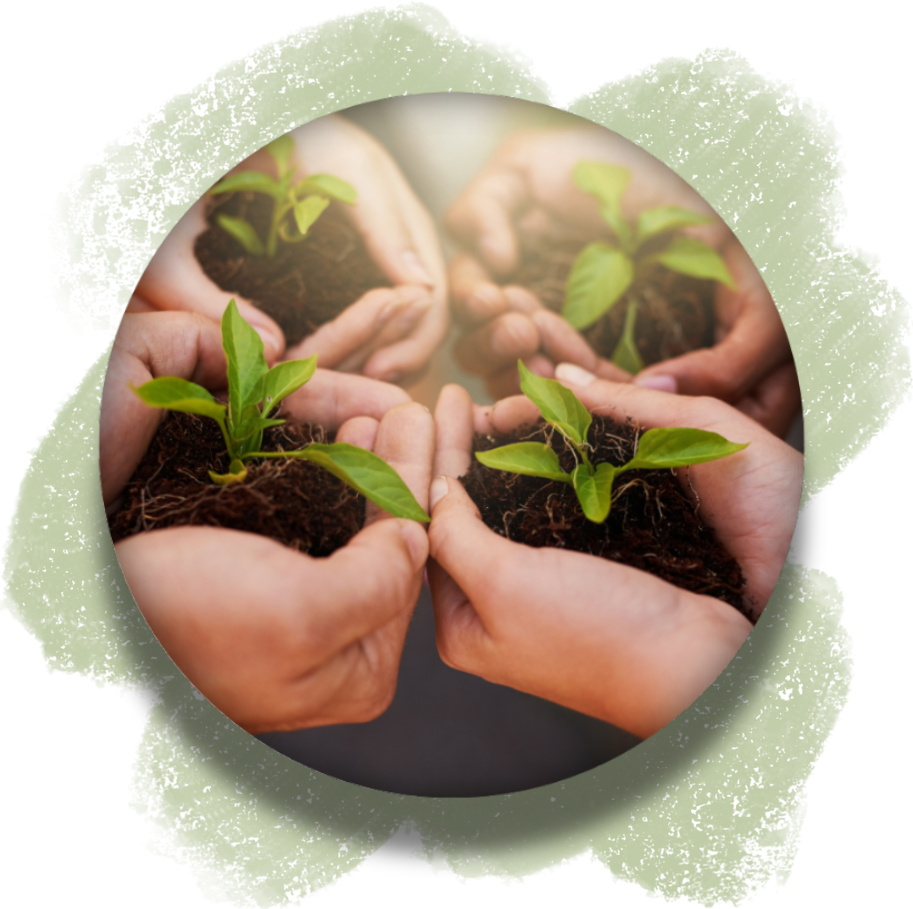 Making the shift from eco-friendly to environmentally friendly choices doesn’t have to be complicated. Here are three simple steps you can start today:
- Look for transparency – Choose suppliers that share clear sustainability data, not just marketing claims. For example, UK Government’s Green Claims Code is a great benchmark to check against.
- Prioritise lifecycle thinking – Consider what happens to products after use. Can they be recycled, composted, or returned into the supply chain? The Carbon Trust has guidance on lowering emissions across supply chains.
- Choose partnerships wisely – Support businesses that invest in verified environmental projects, not just “green” packaging.
By aligning your purchases with your organisation’s sustainability goals, you’ll not only reduce harm but actively contribute to positive change.
Lime’s approach
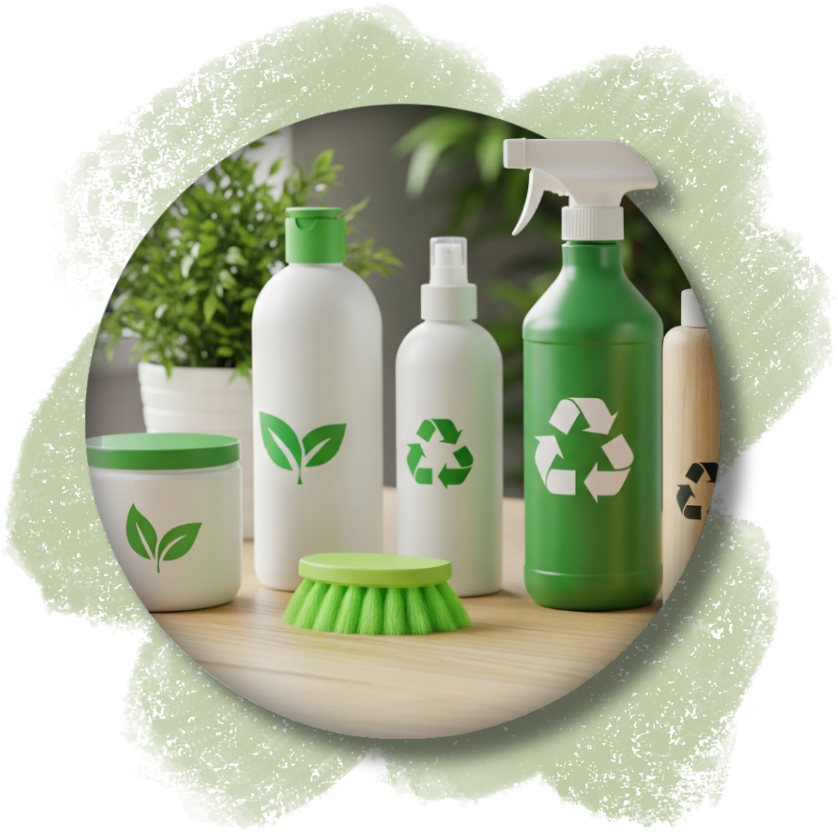
At Lime Sustainable Supplies, we don’t settle for vague claims. Our commitment is to supply products that make a measurable difference:
-
Lower-impact products – From sustainable cleaning solutions to recycled paper goods. You can explore our full sustainable product range.
-
Clear labelling & transparency – Our product labels feature sustainability icons, leaf ratings, “Made in the UK” logos, and post-consumer recycled content details, so you know exactly what you’re buying.
-
Carbon Neutral Commitment – Through tree planting and verified carbon offset projects, we’ve already planted 9,777 trees, saved 397,723.66 kg of CO₂, and offset 634 metric tonnes of carbon.
-
Long-term partnerships – With organisations like Ecologi, we’re contributing to projects that restore rainforests, protect biodiversity, and improve communities worldwide.
What you can do
When choosing products for your workplace or home, ask questions such as:
-
Does this product simply use less plastic, or is it actually designed for a circular economy?
-
Is the supply chain transparent and ethical?
-
Can I see evidence, certifications, carbon reporting, or partnerships that back up the environmental claims?
By moving from “eco-friendly” thinking to “environmentally friendly” action, we can all play a role in protecting our planet.
Final thoughts
The words might sound similar, but the difference between eco-friendly and environmentally friendly is more than just semantics, it’s about the level of responsibility and impact. At Lime Sustainable Supplies, we want to empower businesses to make choices that don’t just reduce harm, but actively contribute to a more sustainable future. Providing the products, transparency, and measurable impact that businesses need to meet today’s sustainability expectations.
Because when it comes to sustainability, less harm isn’t enough, we need to do more good.