

At Lime Sustainable Supplies, sustainability isn’t just a part of what we do—it’s the core of our purpose. With nearly 17 years as a cleaning industry giant, we’ve seen the shift from surface-level green claims to the real demand for meaningful, measurable action. That’s why we’re proud to share insights regularly on how our industry can evolve, starting with one of the most powerful tools in your business: your supply chain.
Why your supply chain matters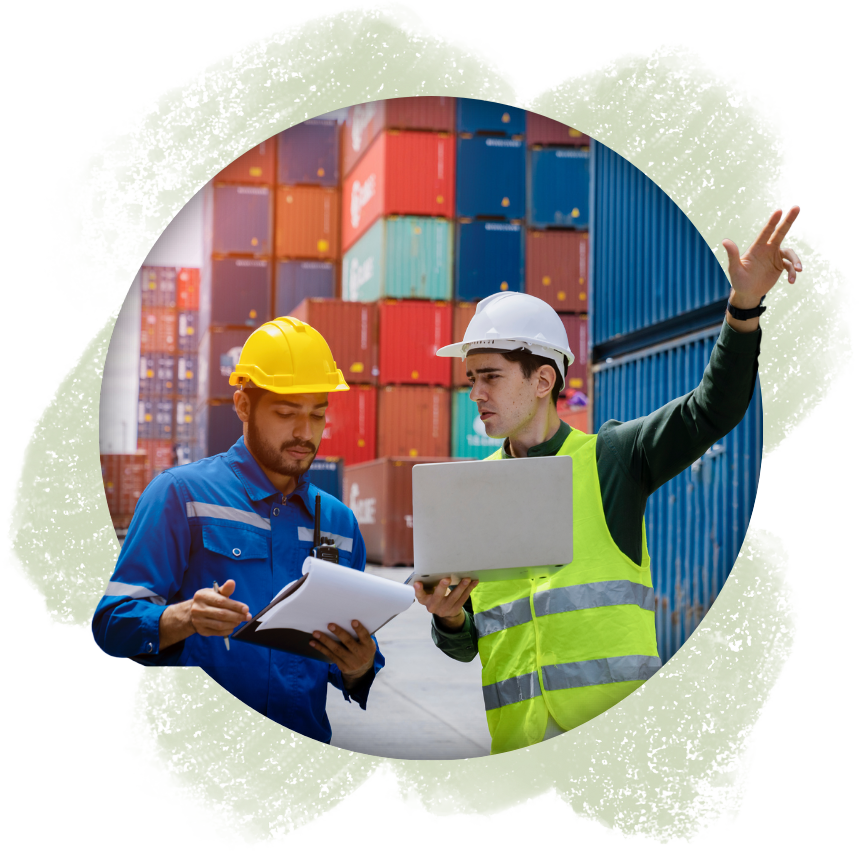
In a world rightly wary of greenwashing, it’s never been more important to ask: Is our supply chain truly sustainable? For years, a simple “Eco” label seemed like enough. But expectations have evolved. Today, clients—especially those in property and facilities management—want transparency. They want proof. And they want to know that your supply chain stands up to scrutiny.
Understanding sustainability now means understanding ESG (Environmental, Social and Governance) principles and knowing how to communicate the impact of the products and suppliers you work with.
Data: The foundation of sustainability
To move beyond greenwashing and into genuine sustainability, you need credible data. Independent. Comparable. Transparent. Traceable. It’s the only way to drive real change—and your clients are expecting it.
But what kind of data should you be asking for?
That depends on what you’re buying—whether it’s chemicals, paper, or janitorial products—but here are some of the essentials:
- Manufacturing: Where was it made? What’s the origin of the raw materials? How much renewable energy is used in the process?
- Materials: Are packaging and products made from FSC-certified or recycled materials? Are they easy to recycle after use?
- Product Efficiency: Is the product a super concentrate that reduces transport emissions and single-use plastic? Or is it a bulky, ready-to-use (RTU) format that increases waste?
- Toxicity & Safety: Does the product release volatile organic compounds (VOCs)? Is it CLP-free? What’s its aquatic toxicity? The Health and Safety Executive (HSE) outlines the impact of hazardous substances and how to manage them safely.
- Waste & Circularity: Is the product part of a circular economy? Can it be reused or repurposed, or does it go straight to the landfill?
And perhaps most importantly:
- Lifecycle Analysis: Independent Life Cycle Assessments (LCAs) give carbon footprints and help you track Scope 4 carbon savings (yes, Scope 4 is real, and we’ll dive into that in a future post!).
All of this helps you make data-driven decisions—not just because they’re the right thing to do, but because they’re measurable, transparent, and can often save money too.
Getting started: Small steps, big impact
Sustainability doesn’t happen overnight. It’s a journey, not a quick fix. But it doesn’t have to be hard or expensive. Start with the low-hanging fruit:
- Switch to super-concentrated chemicals
- Eliminate single-use plastic
- Stop buying 750ml RTU spray bottles
Then build from there.
Culture change starts from the inside
You’ll hear this a lot from us: to make sustainable change stick, you need internal buy-in. Identify sustainability champions within your team. Measure your impact before and after changes. Share your goals—and your progress—publicly. It creates accountability and encourages momentum.
How Lime can help
At Lime Sustainable Supplies, we help our customers visualise their sustainability metrics—because data is only useful if people can understand and act on it. We turn spreadsheets into visuals and empower our clients to report impact by site or across their whole portfolio.
We believe that clear, credible data is the antidote to greenwashing—and it’s at the heart of how we support our clients to reduce their environmental impact.
If there’s one thing, we want to leave you with, it’s this:
A sustainable supply chain isn’t just a nice-to-have—it’s a business imperative. Demand more from your suppliers. Ask for the data. Push for transparency. That’s how we build a better industry and a cleaner, greener planet.