

In a world where sustainability is increasingly a priority, businesses of every size are right to ask: how do I know if a cleaning product is eco-friendly? The term is used widely, but not always consistently, with many suppliers using terms like “green” and “natural.” It can be difficult for facilities managers, procurement teams, and cleaning contractors to separate genuine sustainability from marketing. This blog will help you cut through the noise and identify genuinely sustainable cleaning products.
What “eco-friendly” really means
For organisations, an eco-friendly cleaning product should reduce environmental impact across its entire lifecycle, from production and packaging to use and end-of-life, while still delivering reliable performance. For many, this starts with choosing sustainable cleaning products that reduce chemical loads in water systems, lower plastic waste, and avoid harmful ingredients.
While no product is perfect, looking out for things such as credible certifications, packaging that cuts down single-use plastic, and support for broader corporate sustainability goals and ESG reporting can make a big difference.
Credible signals: certifications, labels, and evidence

When assessing eco-friendliness, credible signals matter more than vague claims. Look for:
- Independent certifications: Look for seals such as EU Ecolabel, or B Corp certification for broader corporate responsibility. These imply third-party verification of environmental performance that give businesses proof points that go beyond marketing claims.
- Ingredient transparency: Read the ingredient list and look for ingredients that are biodegradable, non-toxic, and derived from renewable resources. Avoid formulations with phosphates, chlorinated compounds, or nonylphenol ethoxylates where possible. Eco-friendly cleaning products should disclose their ingredients and provide accessible Safety Data Sheets.
- Packaging considerations: Recyclable, compostable, or refillable packaging is a strong indicator. Some brands offer concentrated formulas to reduce plastic usage, which is a practical sustainability win.
- Life-cycle thinking: Brands that provide information about sourcing, manufacturing emissions, and end-of-life take-back or recycling programs demonstrate a mature approach to sustainability.
Evaluate packaging and delivery formats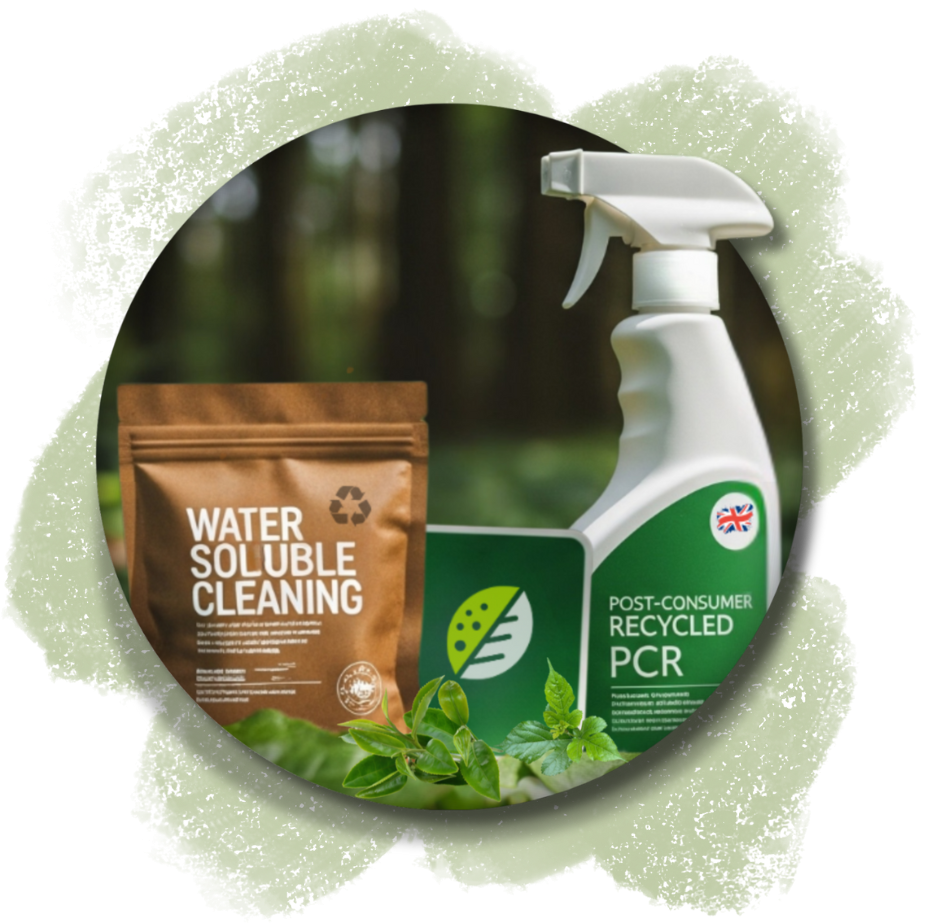
Businesses often purchase in bulk, which makes packaging a critical factor. Key considerations include:
- Concentrates and dilution systems to minimise plastic and transport emissions.
- Refill pouches or closed-loop return schemes for containers.
- Clear instructions that ensure the correct use of concentrates, avoiding waste.
For practical guidance on reducing problematic plastics and improving packaging circularity, consult WRAP’s business resources.
Consider life-cycle impact and supplier transparency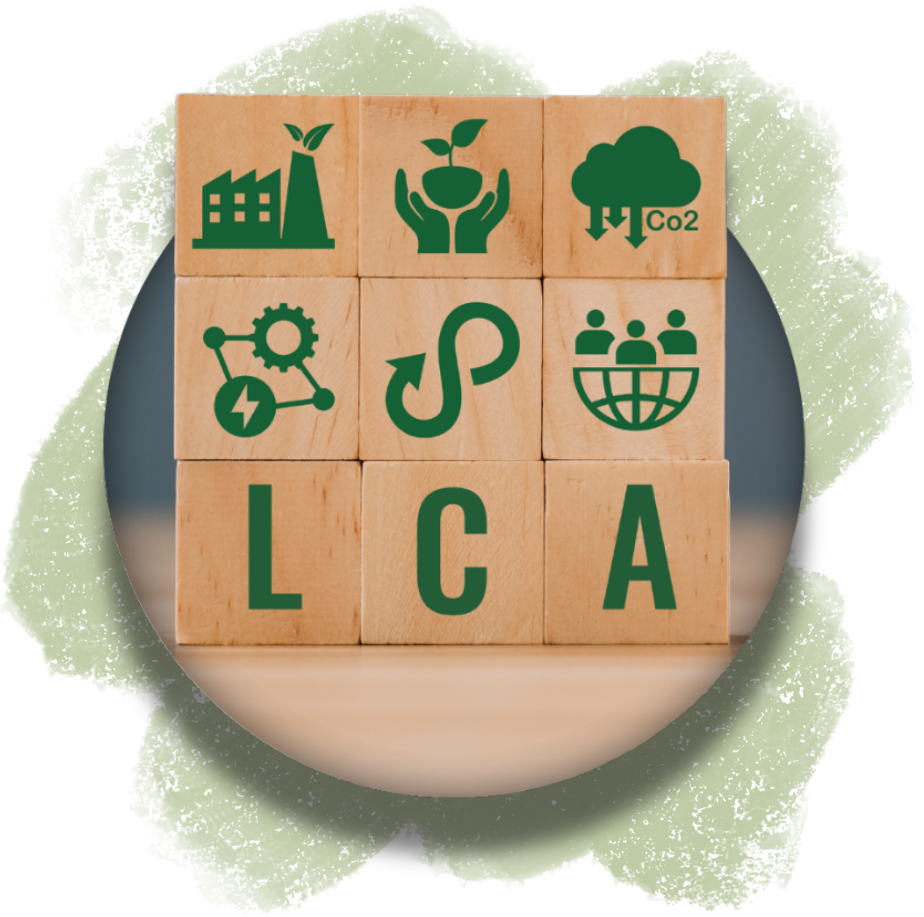
Forward-thinking suppliers will share details of sourcing, manufacturing emissions, and waste management. Brands that publish lifecycle assessments (LCAs), sustainability reports, or plastic reduction roadmaps are showing real accountability, helping your business meet its own sustainability targets. For business guidance on carbon reporting and footprinting, the Carbon Trust has practical resources.
Practical checklist for procurement teams
When choosing cleaning products, ask suppliers:
- Is the product independently certified as eco-friendly?
- Does it come with clear ingredient and safety information?
- Are packaging and formats designed for bulk use, refills, or reduced plastic?
- Does the brand demonstrate wider sustainability commitments that align with your ESG goals?
- How will switching to this product reduce both environmental impact and long-term costs?
Common misconceptions
- Eco-friendly means less effective. Modern sustainable cleaners are designed to meet professional performance standards.
- It will cost more. Concentrated and refillable systems often reduce overall costs per use.
- It only matters at the product level. Choosing eco-friendly cleaning products helps improve workplace wellbeing, brand reputation, and environmental compliance.
Real-world checklist: Are you making truly eco-friendly choices?
- Is the product certified by a respected third party?
- Does the brand disclose an ingredient list and sourcing practices?
- Is packaging reusable, refillable, or recyclable in your region?
- Are the active ingredients biodegradable and non-toxic where possible?
- Does the brand demonstrate a broader commitment to sustainability beyond the product itself?
Why choose Lime Sustainable Supplies?
By working with us, businesses gain:
- Access to verified, high-performing eco-friendly cleaning products
- Support in meeting sustainability and ESG targets
- Guidance on cost-effective, environmentally responsible purchasing
- Confidence that every product choice aligns with broader corporate responsibility
Final thoughts
For businesses, knowing whether a cleaning product is eco-friendly isn’t just about ticking a sustainability box, it’s about balancing performance, cost-efficiency, compliance, and reputation. By looking for certifications, checking ingredients, and partnering with transparent suppliers, you can ensure your organisation makes cleaning choices that support both people and planet, while contributing to your wider corporate sustainability goals.
Choosing eco-friendly cleaning products doesn’t have to be complicated. With Lime Sustainable Supplies, your business can easily identify products that are safe, effective, and genuinely sustainable. Make the switch today to reduce environmental impact, support your team’s wellbeing, and enhance your corporate sustainability credentials. Explore our full range of eco-friendly cleaning products and start building a greener business today.